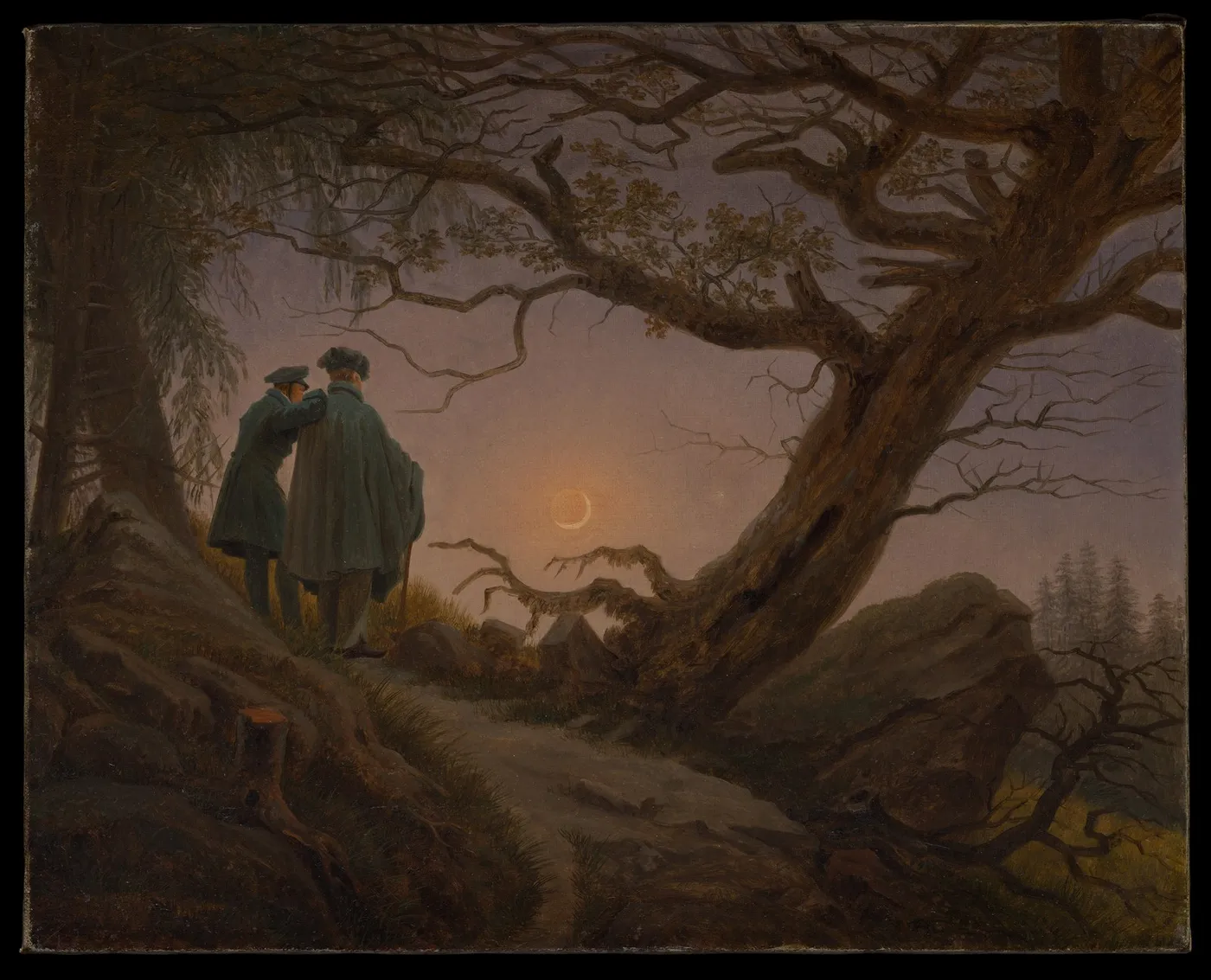
Arriving in Lúria, the bustling trade city at the heart of the luminous forest, can be overwhelming. Towering trees, nearly 200 feet tall, stretch toward the sky, their black leaves glowing like torches in the night, casting a whitish radiance as bright as daylight.
The forest floor, carpeted with thick grass and scattered with large, dry leaves, feels almost inviting as you approach the long wooden stairways spiraling around pale tree trunks. The city itself, along with its homes and marketplaces, is elevated at least 20 meters above the ground, with rope and wooden bridges connecting the massive trees. Many of Lúria’s structures wrap around the tree trunks, some even carved into them. This natural fortification, combined with the city’s formidable military force, makes Lúria far less vulnerable to the raids that plague other villages in this region of Anayr.
One of Lúria’s most sought-after commodities is the tail of Anayr’s little dragons. These winged creatures, covered in sleek feathers and armed with razor-sharp beaks, possess a deadly secret—the tip of their tails holds an explosive gem, which they use to defend themselves. Military forces across the world have studied ways to weaponize these gems, making them highly valuable. Many hunters dream of striking it rich by capturing the little dragons, but few succeed.
Tracking and capturing one of these creatures is no easy feat. Their wings rarely rest, and as they beat the air, they release a fine dust that, when inhaled, causes vivid hallucinations and severe respiratory distress.
Due to the relentless hunting of these creatures, several activist groups have emerged in Lúria and the surrounding villages, fighting for their preservation. The most influential among them is led by a young man of remarkable courage and unwavering conviction. His dedication to nature stands above all else, a message he delivers with stirring passion in his speeches. His name is Nanaz.
David Stéfano, writing as Kael Angeli