When I was 13, two friends invited me to an internet café. The idea was to show me a game that had become a craze, not just in that café but all over the internet. League of Legends (can I really call those guys friends? that is the question haha).
When I discovered League of Legends, the game convinced me it was possible to build strategy games without a board, and that impressed me. In a way, the game’s battlefield, “Summoner’s Rift”, is still a board, but on it you move your pieces freely, and every step matters a lot. Every decision can be what separates you from victory or defeat.
But, like any good reader and writing enthusiast, that same year what caught my attention most was how many good characters there were, with unique stories that sometimes connected and crossed paths but most of the time did not need to walk side by side, and still held up. Then, talking to one of the friends who introduced me to the game, I said “I want to know every story in this world”, the famous League of Legends lore.
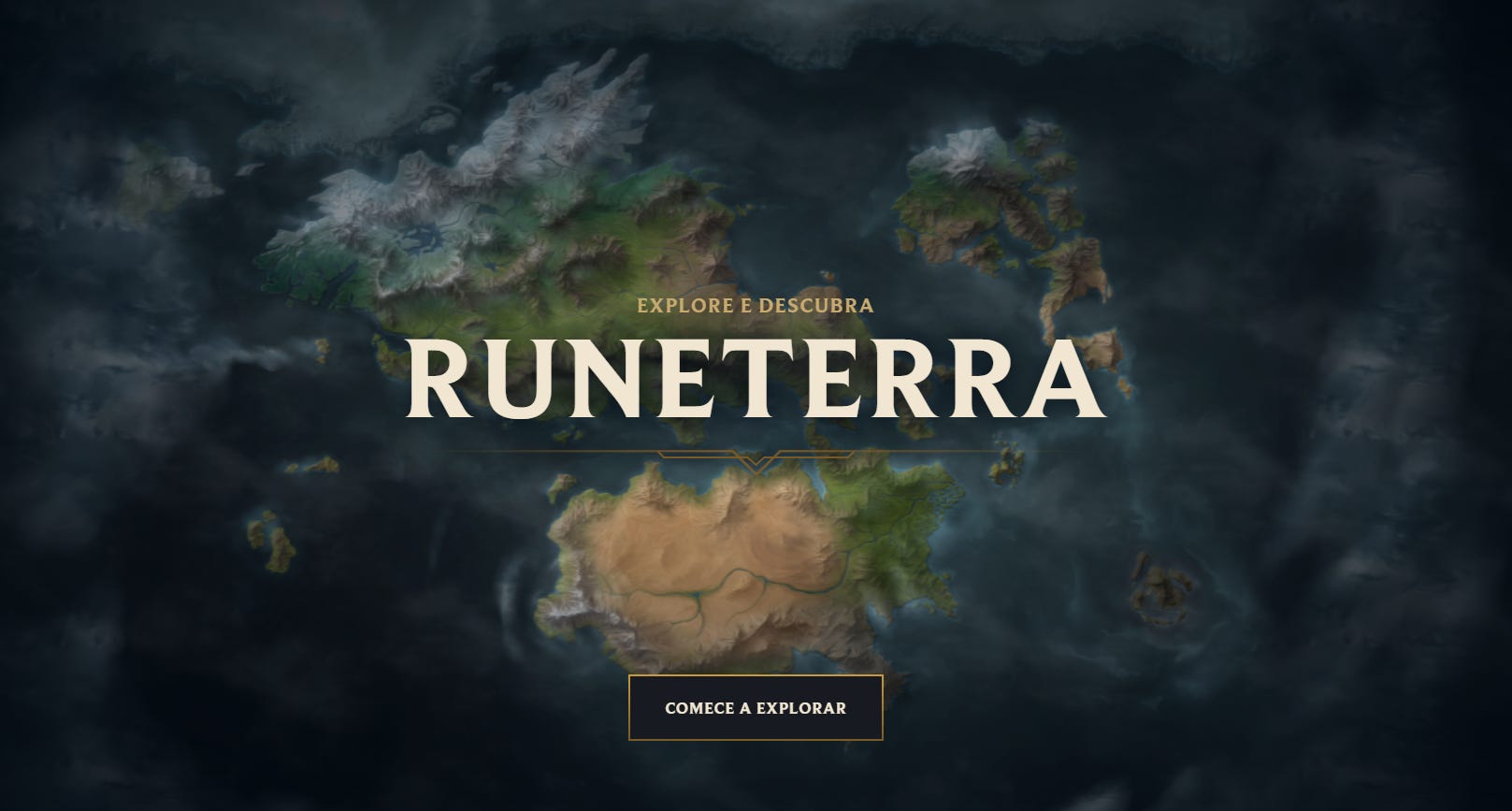
There are two well-known ways to build good characters, and both are valid. The first is to create a world for them and then fill it with their personalities; the second is to create the characters first and then define the world around them based on their experiences and personalities. Riot, the creator of League of Legends, has created characters both ways at different points in time, and of course each one has its own charm. Each has a face, a story, a personality and unique content.
That is enviable, but remember, it is over 10 years of developing, deconstructing and rebuilding this universe. Not even Riot got it right the first time, or the second, or the third, and only now are we seeing coherence emerge in the vast world of Runeterra.
That is more than an example; it is a lesson.
My first champion
The first League of Legends champion I really took a liking to is Varus, a dark archer I knew very little about until I looked into his story, and curiously it is a romantic one, who would have thought. Varus is the kind of character who wins you over with his look first, and once that cover hooks you, searching for the content is almost inevitable. Many other characters in this world follow that formula. Jinx, Vi and Viktor were not the first.
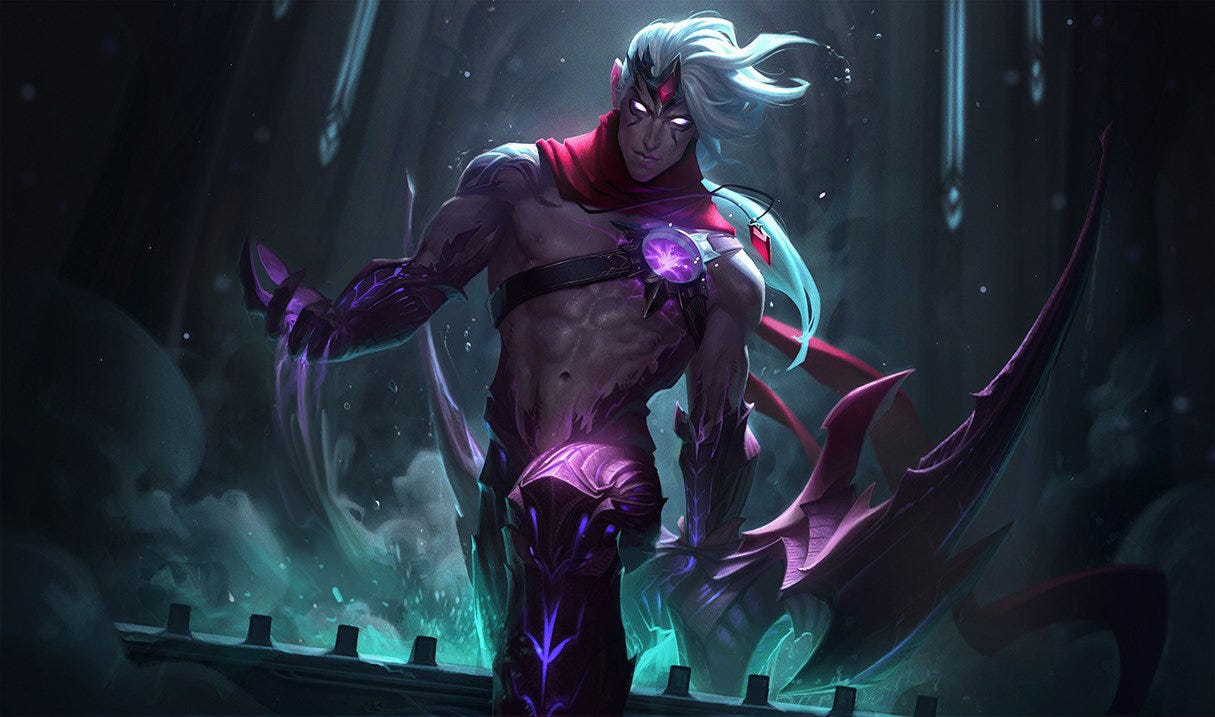
Varus’s story gave me a thousand ideas, ideas I carried, consciously or not, into characters I would create years later. Here is his lore video. You can also read more about him here.
In that video we are introduced to a region Arcane has not shown us yet, but that is a conversation for a few topics ahead. What matters here is seeing how the construction of this character, simple as it is, is interesting, from the romance idea to the conception of his powers. Everything seems so naturally connected that it is as if this character were simply a product of this world. He comes from a “what if” that becomes real and shows us its face, and every small detail of that creation echoes across Runeterra, with connections that reach beyond his region.
That is creativity in practice.
Arcane and the magic of rebuilding
Now let us talk about this masterpiece of animation, the most expensive animated series in history and without a doubt one of the best ever made. Arcane starts with an interesting proposal: retelling the story of two connected regions of Runeterra, Piltover and Zaun, all through the eyes of characters who, at first, are not yet the League of Legends champions we know, but will become them, and from the first episode we know it.
(From here on, at your own risk, I will probably get into spoilers for the first and second seasons of Arcane.)
At first, when the first season came out, Arcane’s huge, positive reception surprised the developers, who until then had not planned to make Arcane canon in the main, historical timeline of Runeterra, a decision that was soon changed. Now we know everything that happens there affects the games tied to Runeterra and shapes events, skins, lore and even new characters.
However, despite the wonderful characters Arcane develops across its two seasons, each split into 3 acts, they are nowhere near the tip of the iceberg this world is. Here, in the series, we have two regions of a world with at least 11. Each region has so many interesting and important characters and stories that trying to picture it all in one wide panorama is truly mind-blowing, and of course, I have tried to build a panorama like that.
For now, let us talk about some Arcane characters who move the story with every decision, the ones who stood out most over the seasons and who in the end opened the way for a series of iconic scenes.
Ekko
He is without a doubt my favorite character. Ekko was never a character I played much in League of Legends, but there is no denying the kid has style, purpose and lots of interesting abilities. Ekko’s construction in Arcane is a basic, well-applied example of the hero’s journey between the lines: you can see aspects of his childhood that shape part of his personality, his rebellious adulthood that still does not stray from his original purpose, fighting for something, defending his people, meeting a mentor (Heimerdinger), and, with little screen time, he becomes the hero we all hope will show up and fix everything.
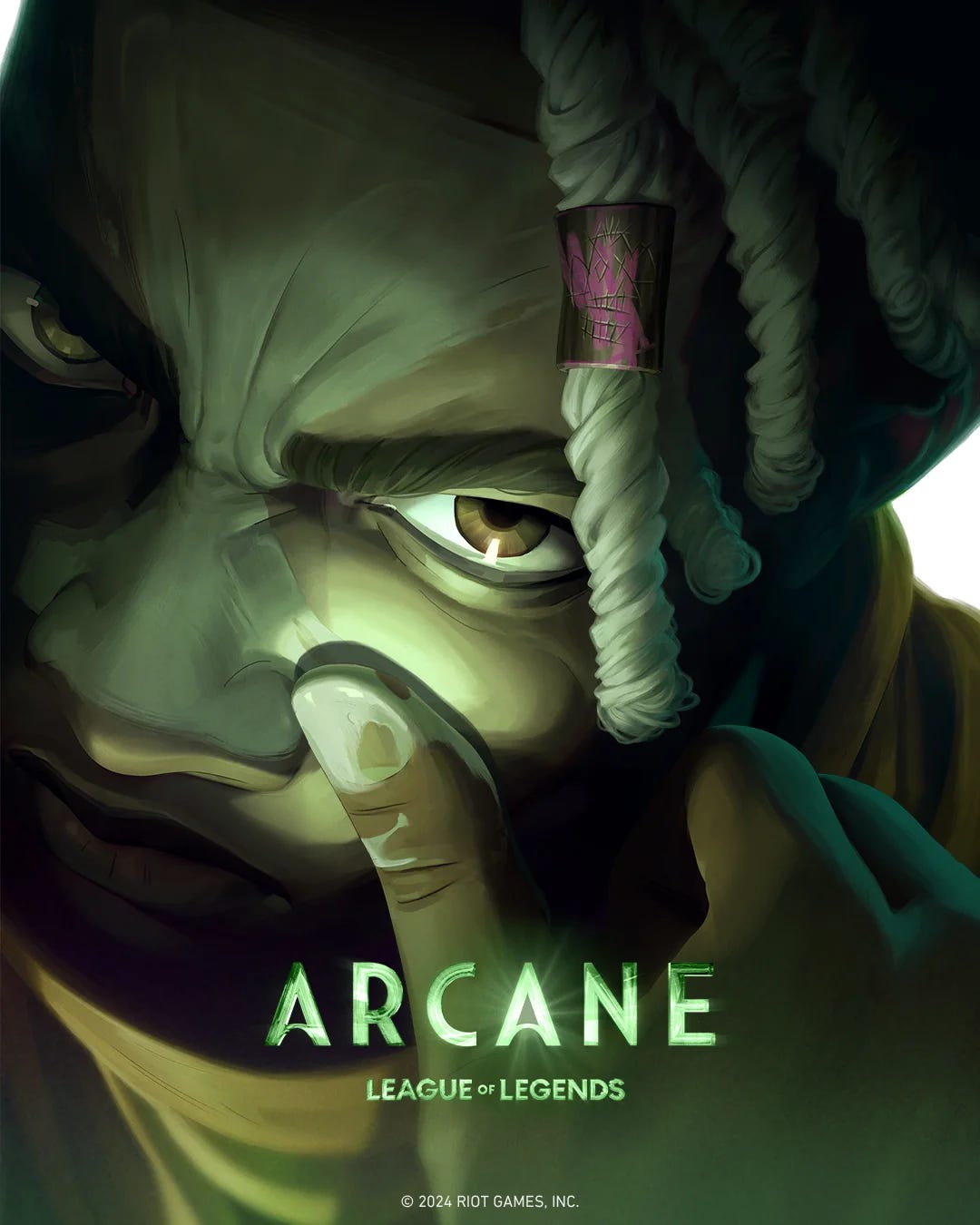
Ekko is a hero, that is undeniable, and the way this side of his personality is built is subtle and natural. He wants to help his people, he wants to save Zaun from the darkness everyone sees in it, he wants the undercity to be more than others think it is. And when he finally proves to be a genius, convincing his mentor of it, Ekko not only builds a path to his heroism but also finds and sees things only he found and saw.
Have you noticed that of the three characters who saw other realities and know they are possible (Heimerdinger, Jayce and Ekko), only Ekko is left standing? That was no accident, I guarantee you. That hero will still shine in future stories. Let us also not forget he was one of the characters who got no reward for his endless efforts. There was no victory for Ekko in the end; he lost too much to be a fully happy person. I love that detail in building good heroes.
Viktor
Without a doubt, Arcane’s biggest surprise is making Viktor one of its protagonists. Everyone knows the big names of Piltover and Zaun, and, at least in my view, Viktor was never seen as more than a technocratic madman. It was even hard to imagine the face behind that weird mask. But here in Arcane, Viktor is a central pillar of the plot, vital to the whole narrative. I would venture to say that without Viktor there is no Arcane.
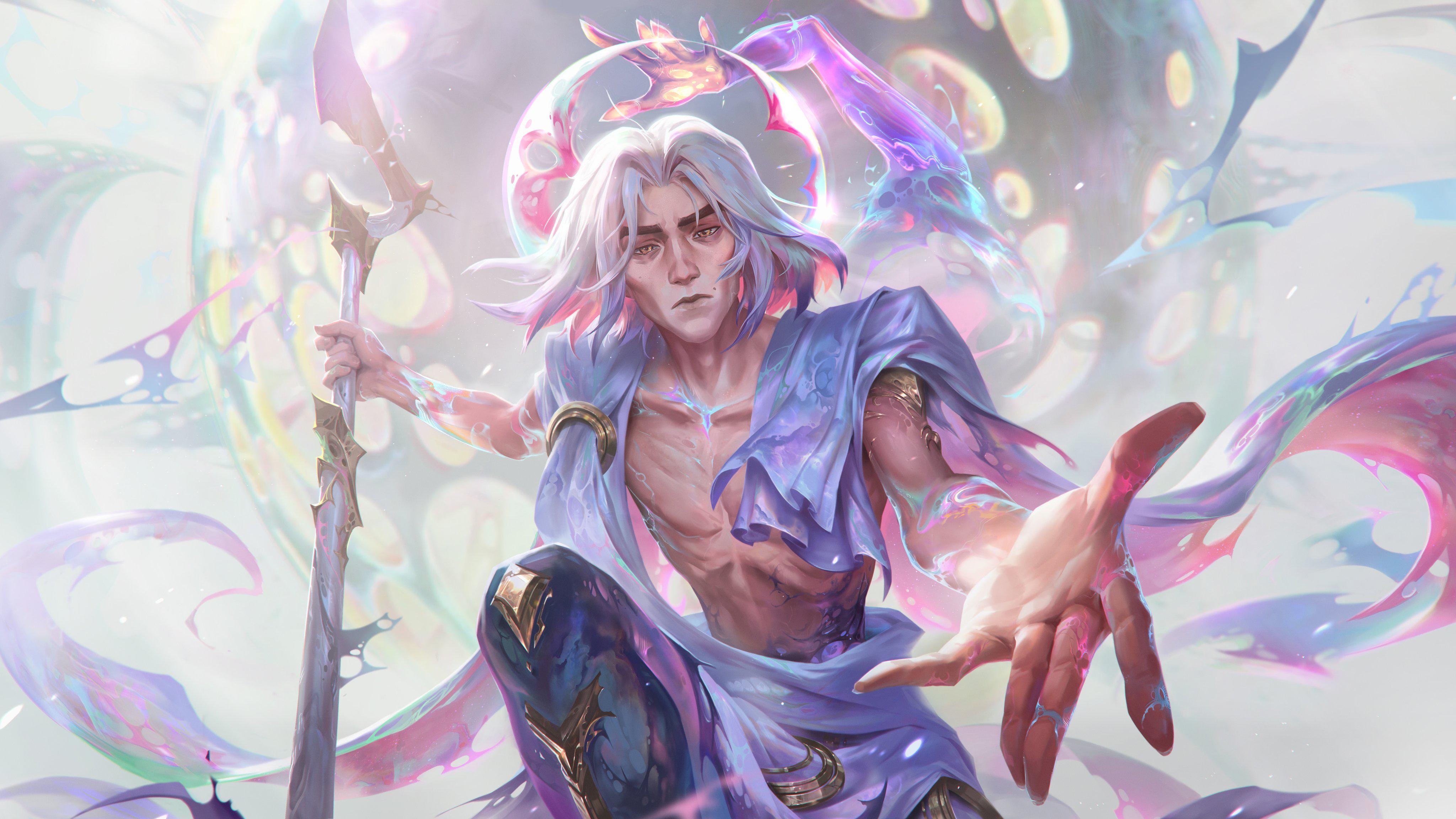
What I like most about this character is the coherence of his actions. Viktor never strays from his purpose, which in the first season seemed almost dormant, restrained even. In the second season we see Viktor at his peak: the whole idea of a technocratic maniac is taken apart to build a hurt, broken person who dreams of fixing the world, leading everyone to a “glorious evolution”. When really it is much more about himself than about the world. Viktor is an example of how we can still use the “messiah” formula (presented by the brilliant Frank Herbert in Dune and later borrowed by George Lucas in Star Wars, with Anakin/Darth Vader) without the big clichés.
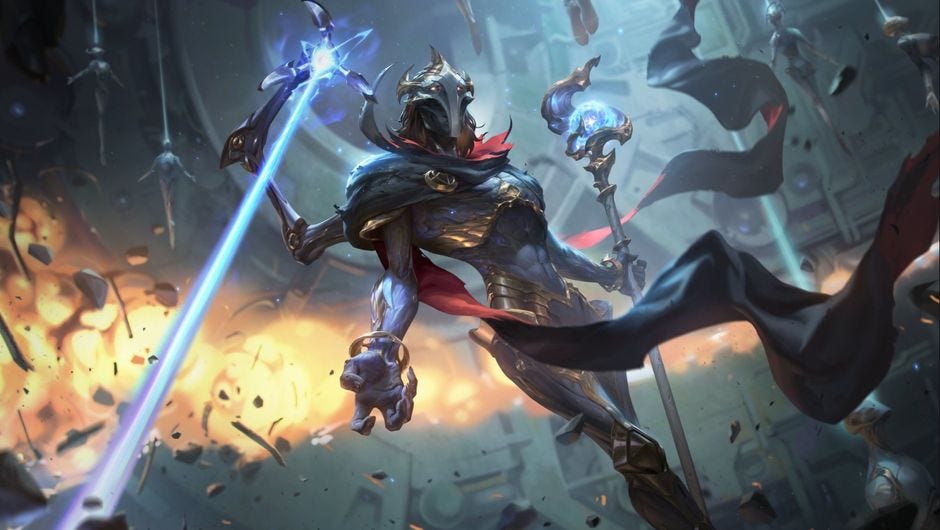
He was a “messiah” for Zaun, but that does not fully define him. He is a piece in a puzzle that could have led that whole universe down a different path than it took, and even so, his impact was contained, at least for now. Viktor would now be, in Arcane, the equivalent of a false saint.
A point in Runeterra’s history that cannot be forgotten.
Singed
This name was not used in Arcane, as far as I remember. The chosen name was Dr. Corin Reveck, known in League of Legends lore as the father of another interesting character, Orianna. There was an old theory that the series’ Singed could be a blend of those two characters, and it was confirmed.
Many people criticized this character for being a “villain” who came out “fine” in the end. I see it very differently. Despite all of Singed’s atrocities, he is not a villain. Think about it: Singed turned Vander, one of Zaun’s greatest symbols, into a beast capable of defending his people, or so he thought. And he constantly kept studying life, shimmer and anything that might wake his daughter from death itself. Singed is not a villain; he is just human. He is the guy who does whatever it takes to get where he wants to go. He is not evil incarnate; he commits bad acts to reach good solutions. Good for whom? For him. I think being a villain goes well beyond that.
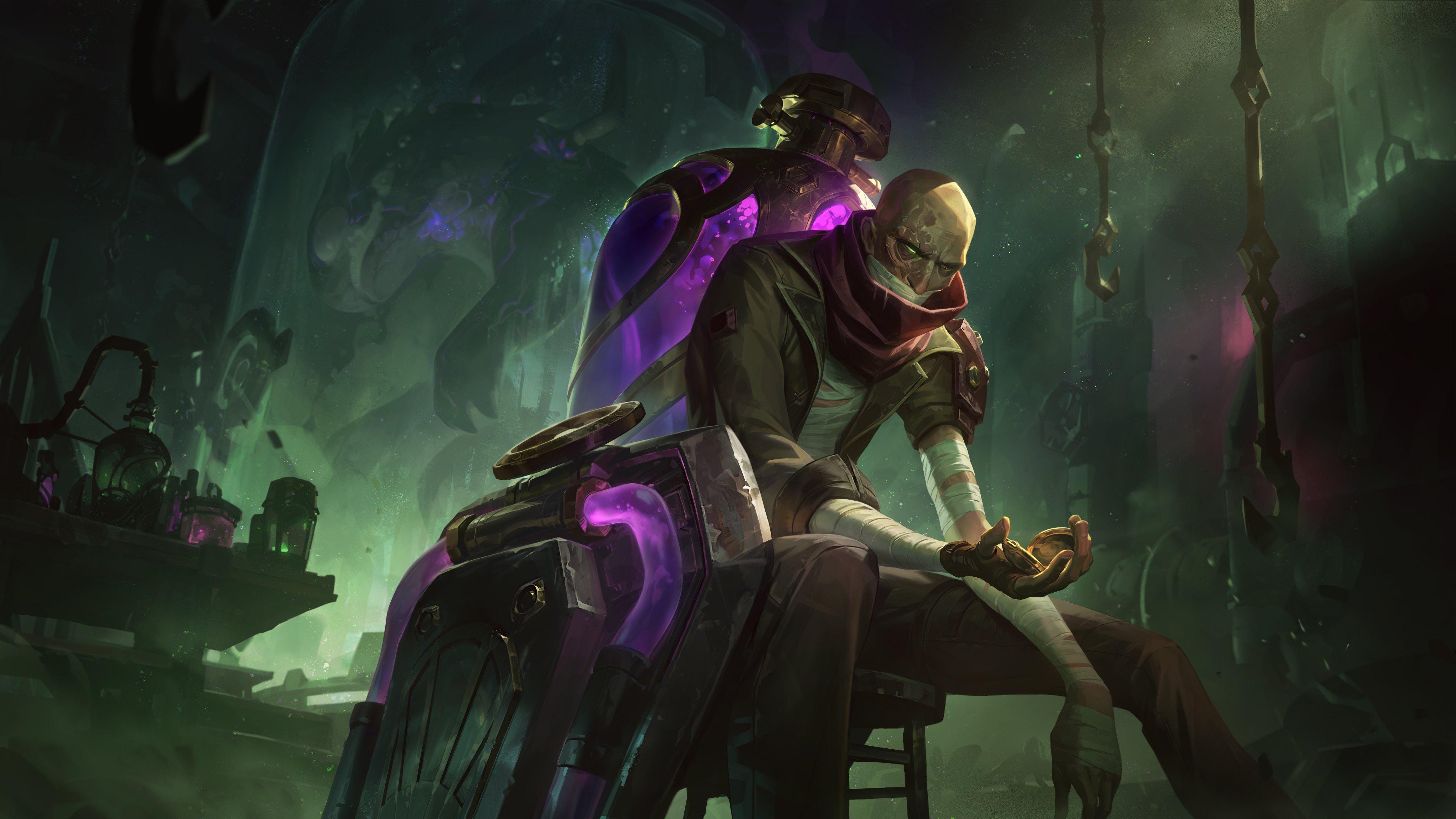
I would say Arcane’s villain was not one character or another. Arcane’s villain was what gives the series its name: the Arcane. It was the Arcane, as the magic revived through Hextech, that made everything in Arcane the way it is. And do you know the greatest proof? When Ekko visits a reality in which the Arcane was never revived through technology. That world… You know.
Jinx
This character was probably the one who benefited most from Arcane. She left behind the “crazy girl” stereotype, built partly by Harley Quinn in recent years, and gained enormous depth. Every scene with Jinx in Arcane has good music, good lines and flawless art direction; the care they put into this madwoman is incredible. And of course, she is one of Runeterra’s most beloved characters right now, taking the place of another one I would rather not mention, but who gets a new skin from Riot every month.
Jinx/Powder is an extremely complex character, in my view, not only for her psychological aspects but for how her overall story is built, from her childhood to Silco, through her sister, her terrible choices and above all the madness she faces. Jinx is the kind of character always in an inner struggle. Sometimes she reminds me of Sméagol in The Lord of the Rings, and other times of someone with depression I knew years ago and no longer talk to.
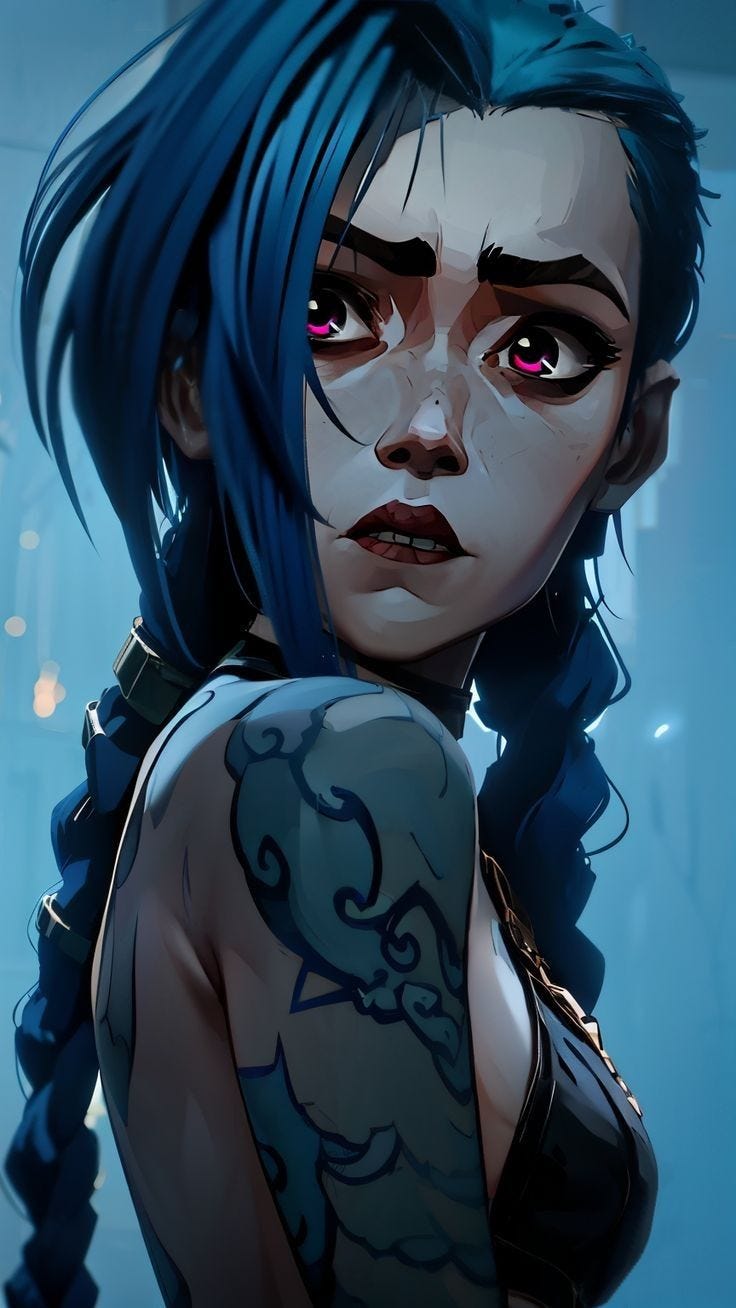
Jinx and Powder’s arcs are built entirely on dice rolls. I say this because it becomes obvious, when we see the other reality mentioned earlier, that Powder’s fate could have been very different, much better. By “dice rolls” I mean a move at an RPG table: when the GM asks “what do you do?” and you roll after making your decision, the decision then, depending on the dice, echoes through the world positively or negatively. Jinx definitely rolled a critical when she fired a deadly mega-missile at the Piltover council, but it is hard to say whether that critical was a success or a failure. And that happens again at many other moments.
The future of Arcane
In a Twitch interview, one of Arcane’s creators made a few revelations; you can check some of them out here. I will focus especially on the future of Arcane, of this universe that starts in the series and is now getting ready to expand.
In the interview, when asked about Arcane’s future, he revealed that work has already begun, and the next series has been in development for at least a year and a half. Not only that, he revealed that three of Runeterra’s 11 regions will be the next to be explored. It is not clear whether there will be a series for each of the three, but people speculate there will. So which three regions are they?
Noxus, Ionia and Demacia
Noxus is without a doubt the next region Arcane will explore. It has been hovering over Piltover and Zaun since the first season, with Mel Medarda and Ambessa Medarda as the faces of Noxus so far, but believe me, we have not touched a single hair of Noxus yet. It is one of the largest regions in Runeterra, if not the largest. As an extremely militarized expansionist empire, Noxus has a long history of invasions, wars and pacts with strange creatures.
I hope the way Arcane showed the reality behind the fantasy of Piltover and Zaun also applies to Noxus, without hiding that society’s atrocities and grim deeds. If I had to compare Noxus with other nations in fantasy worlds, I would only find an equivalent at some point in the history of the Horde, one of the great factions of World of Warcraft, another game.
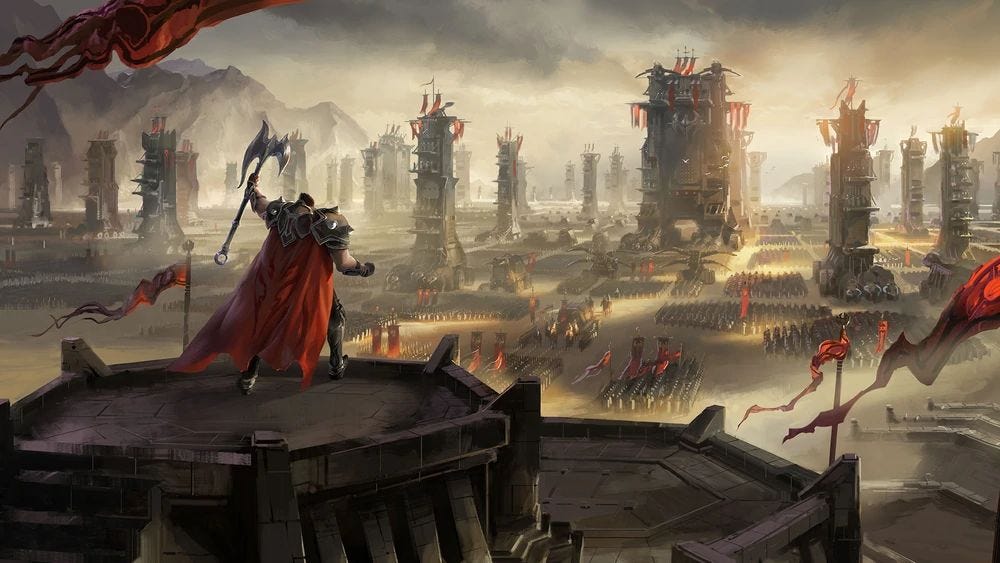
I like to imagine we will see iconic characters like Swain, Draven, Darius and Katarina, but I fear what they will do when deconstructing them. They are much loved, and… bloodthirsty. I do not want a lighter version of them; I want to see them in full, even if built in a more human and moral way. You can read more about Noxus here.
The second region mentioned was Ionia, without a doubt my favorite region in all of Runeterra, so I am really eager to see how they will adapt all the magic of that place. Ionia is a large archipelago, often called the First Lands. There, everyone seeks balance in all things, and natural magic is part of that balance.
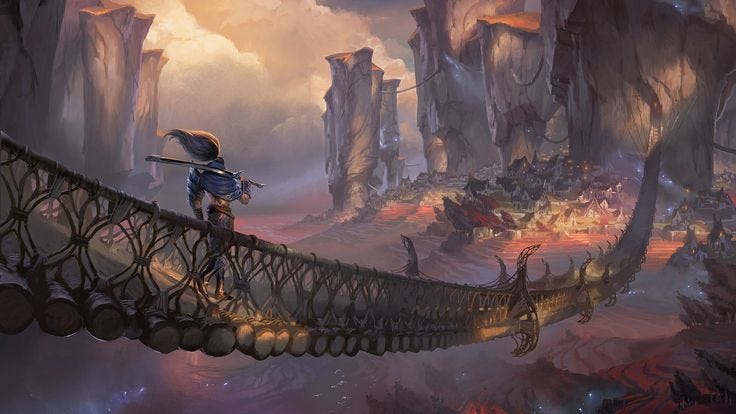
I will not say much about Ionia so I do not spoil possible future surprises, but Noxus and Ionia are deeply connected as regions. And that will matter in this universe. You can read more about Ionia here.
The third region is Demacia. Although it has very famous characters, I would say it has been a rather forgotten region; I thought we would see something of Demacia in Arcane’s final season. Because of its political and social role in the world, and also its “anti-Noxus” stance, I would say.
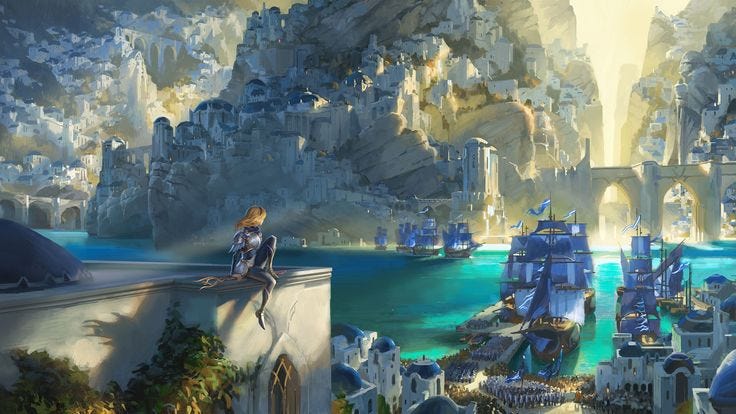
Demacia is a militarized monarchy with a strong focus on hunting mages, fighting magic itself day and night. It is the main nation in Runeterra fighting the “Arcane” as a magical aspect of the world. There, magic is forbidden.
How do you see a kingdom like that in a Runeterra that has just rediscovered magic through Hextech? I want to see it.
Demacia has a long history with Noxus, with magic and above all with its royal bloodline. I still need to see how Demacia will fit into the big picture Arcane has started to form. You can read more about Demacia here.
Book recommendations
The League of Legends universe already has a lot of content, from the website (whose link I scattered throughout this issue) to comics and books. Today I will recommend two books and leave their synopses here.
PS: I am reading both haha
RUINATION: A LEAGUE OF LEGENDS NOVEL
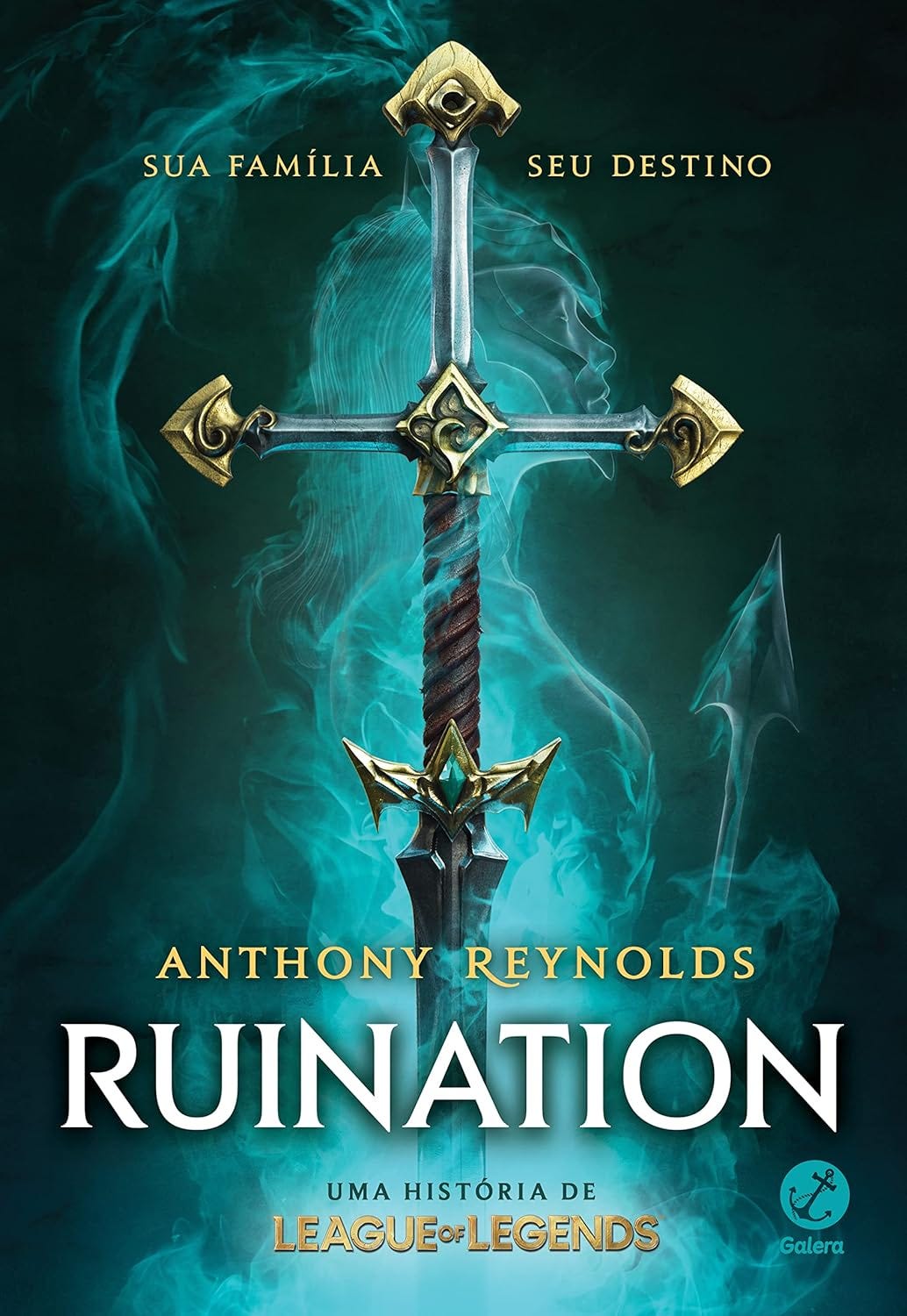
Synopsis: Camavor is a brutal land with a bloody legacy. Wherever the empire’s knights go, slaughter follows. And Kalista wants to change that story. When her young, narcissistic uncle Viego becomes king, she vows to rein in his destructive instincts as his loyal confidante, adviser and general. But her plans are shattered the moment an assassin’s poisoned blade strikes Isolde, Viego’s wife, infecting her with an incurable illness.
As Isolde’s condition worsens, Viego sinks deeper each day into an abyss of madness and grief, threatening to drag all of Camavor down with him. Kalista attempts a desperate gamble to save the kingdom: she sets out in search of the long-lost Blessed Isles, said to hold the queen’s salvation, if Kalista can find them.
Yet corruption is growing in the capital of the Blessed Isles, where a vengeful guardian seeks to entangle Kalista in his cruel schemes. She will be forced to choose between loyalty to Viego and doing what she knows is right ― because even in the face of complete darkness, one noble act can kindle the light that saves the world.
The first novel set in the blockbuster universe of League of Legends, one of the most popular games of all time, Ruination is an epic tale of magic, vengeance and a kingdom on the brink of ruin.
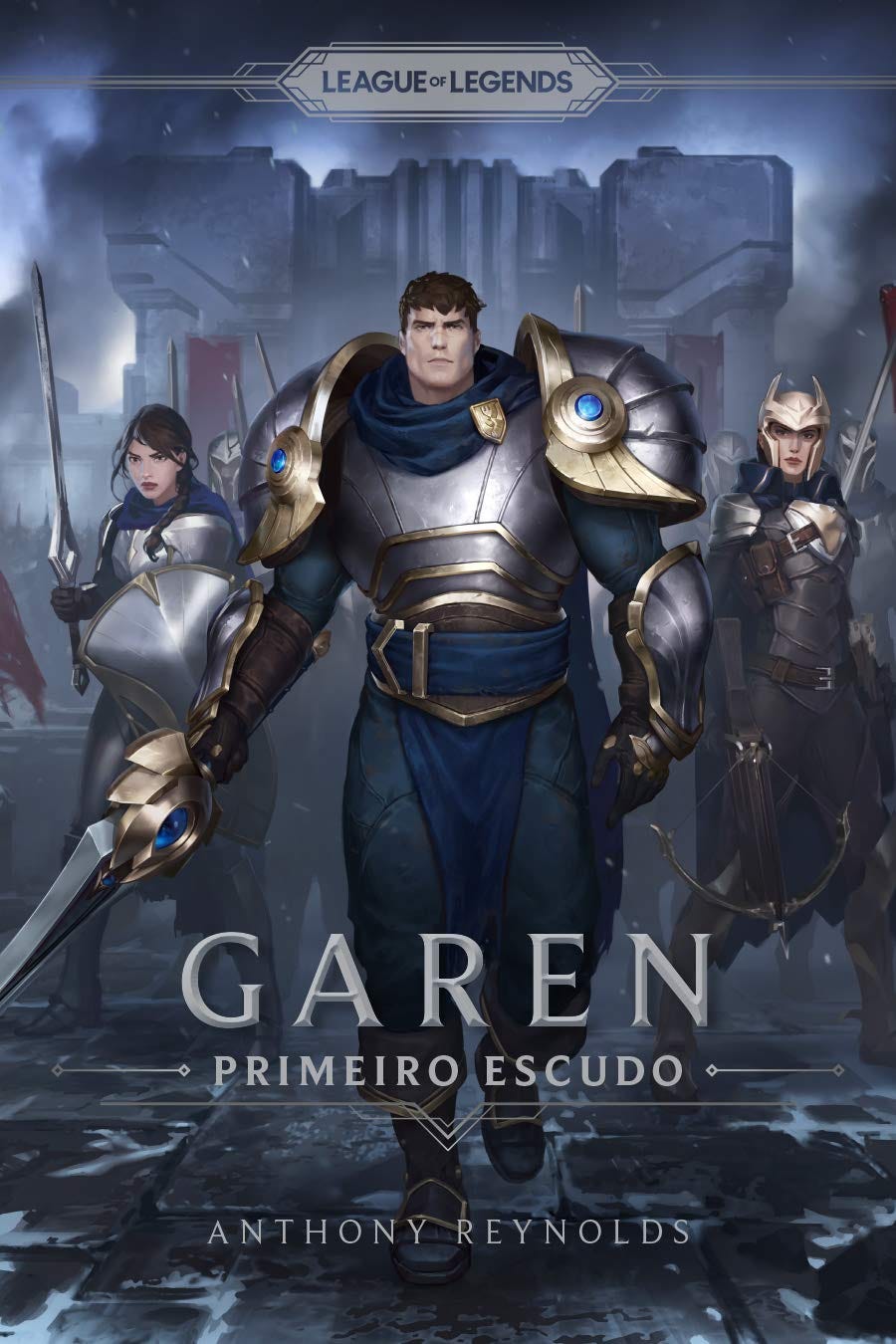
Synopsis: The king is dead, Demacia is in mourning, and Garen Crownguard blames himself.
Will he rise to the challenge when his kingdom needs help again?
During a peaceful expedition beyond Demacia’s borders, Garen, Quinn and the Dauntless Vanguard uncover a conspiracy that threatens to destroy long-standing alliances. While the ranger-knight Quinn tries to carry word back to Demacia, Garen and his companions make a desperate stand. How long can they hold out – and at what cost?
I wish I could get an affiliate deal with Amazon to earn a commission hahaha
Maybe someday.
That is it for today, see you, explorers!

Originally published in Prosa & Pixel, on Substack. See it on Substack · Subscribe to Prosa & Pixel · All issues